
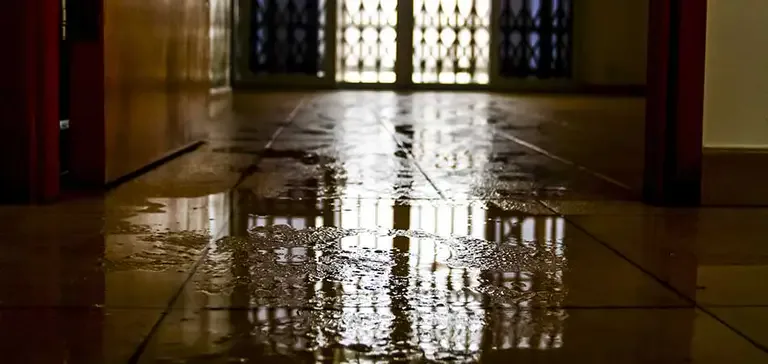
Floodwater can cause unsightly damage to your home or office building and to the contents inside, but it can be even more harmful to your health. Floodwaters can bring in contaminants, microorganisms, bacteria, and even raw sewage.
The Institute of Inspection Cleaning and Restoration Certification (IICRC) classifies water into three types: clear, gray, and black. Knowing what the color of your floodwater means is important so you can clean and dispose of the water safely. Learn about what each color means so you know how to best protect the health of yourself and others in the event of a flood.
Clean Water
Clean water is safe for human use and has no health threats. Toilet tank water, rainwater, and snowmelt are all examples of clean water. This kind of floodwater damage can happen from a burst pipe or if a toilet overflows. Flooding restoration for this type of water typically involves a thorough inspection of the flood damage, but there is less emphasis on treating contaminants. However, it’s important to note that this does not mean clean water is safe to drink, bathe, or wash clothes and dishes with.
Gray Water
Gray water is often an opaque shade of gray and indicates that there may be some contaminants that can cause health issues. This water can come from:
- Showers
- Dishwashers
- Sinks
- Bathtubs
- Washing machines
Gray floodwater needs to be addressed within the first 48 hours before it has the chance to sit and harbor more contaminants and hazardous materials. This is where it can quickly change into black water.
Black Water
Black floodwater is incredibly hazardous to humans and requires a more intense remediation process to restore your home back to appropriate health standards. The increased exposure can be detrimental to human health. Raw sewage is a type of black water, and all black water contains contaminants such as bacteria, mold, viruses, and other diseases, such as:
- Typhoid
- Hepatitis
- Cholera
The Flood Remediation Process
The first step in remediation is to reach out so the cleanup process can start as soon as possible. The longer water sits, the more damage occurs and the more dangerous it can become for your health. The next task is to remove all water and make sure all areas are completely free of moisture.
Some parts of the house may be saved, while others need replacing. Drywall, cabinets, flooring, and even wooden beams may need to be completely replaced, especially if there is evidence of contaminated floodwater.
True Builders has years of experience restoring flood-damaged properties, and understanding the type of floodwater is the first step to assessing damages and planning restoration. Residential flood damage is common in Central Florida, which is why we offer home flood restoration services to properties in Plant City, Lakeland, Winter Haven, and nearby cities.
Need help with this?
Talk to a real Central Florida dispatcher.
24/7 emergency service, up-front pricing, and 4.8 stars across 400+ reviews.